


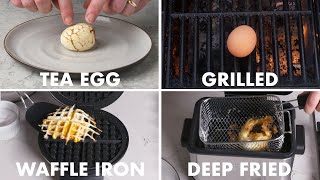
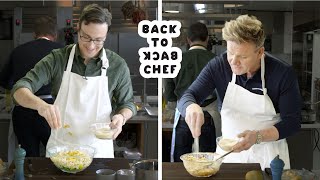


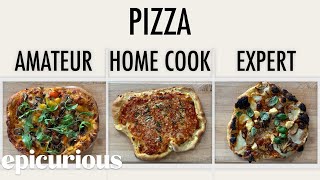



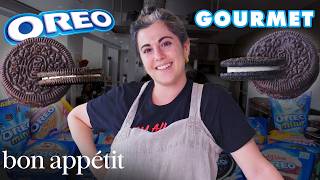
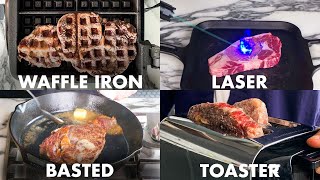


Somebody has to want to watch it.
I build YouTube channels backwards, starting with whoever is going to be on the couch watching. Once we know who that is, we figure out the show they would come back for, and then the team that can actually make it every week.
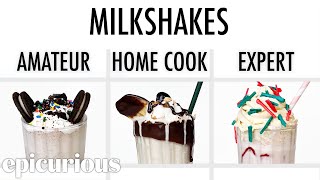 4 Levels of Milkshakes






The shows
All the work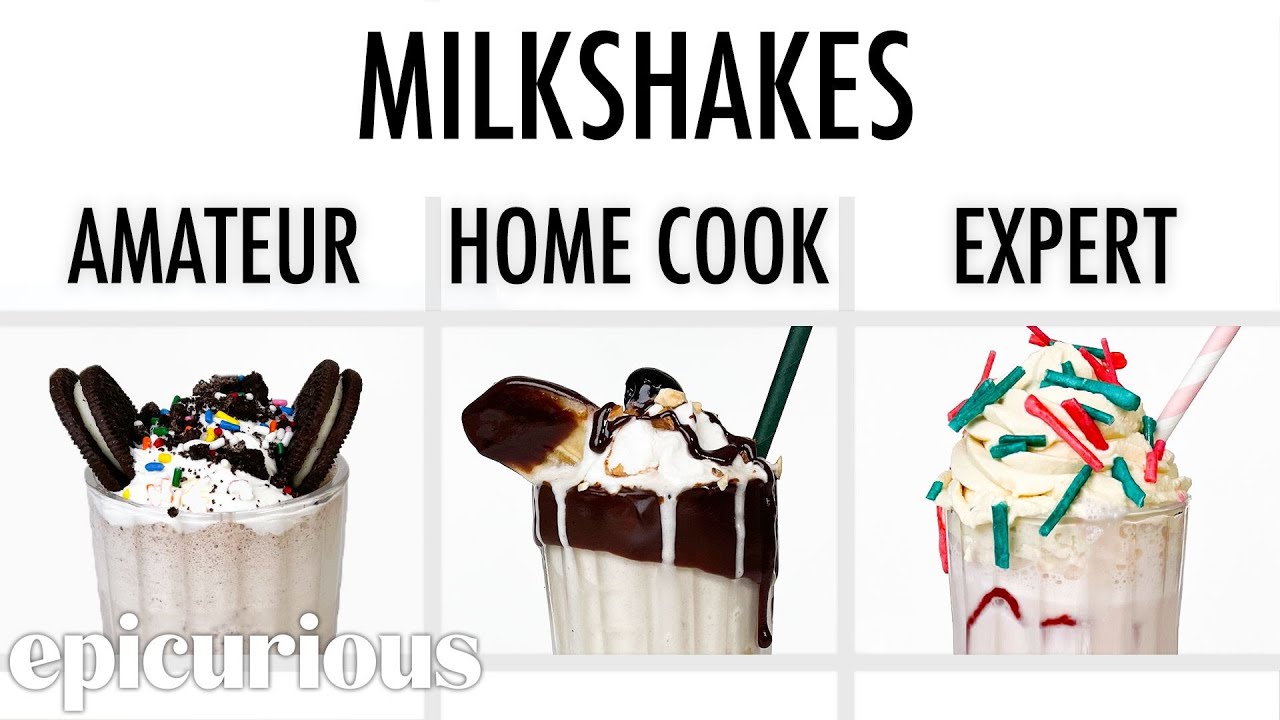 Case study
 Case study
 Case study
 Case study
 Case study
 Case study
Most company channels look like this.
A launch video. A product demo. A webinar nobody trimmed. By month three, the upload schedule is a Slack thread with no replies.
I start somewhere else: who is actually watching, and what they would click on if your logo were not on it.
Who I work with

Brands
Your channel is mostly ads, and nobody subscribes to ads. We find what your audience already watches at 11 p.m. and make something that belongs next to it.

Personal
You are the brand, and the camera is already on. I build the channel around your niche, plus a crew, so it stops running on your free time.
Nonprofits
You have the stories. Your viewers have a back button. I build formats that earn the watch long before anyone asks for a dollar.
How it works, in order
The audience
Who watches you now, who you want watching, and how far apart those two groups are. Then a plan, and numbers that tell us whether people stay, not just whether they clicked.
The shows
Formats that can repeat, creators who already have the audience you want, and a pilot run that tells us what works before the budget does.
The team
Roles, a weekly rhythm, and a playbook. I stay embedded until the channel ships on an ordinary Tuesday without me in the room.
Why me
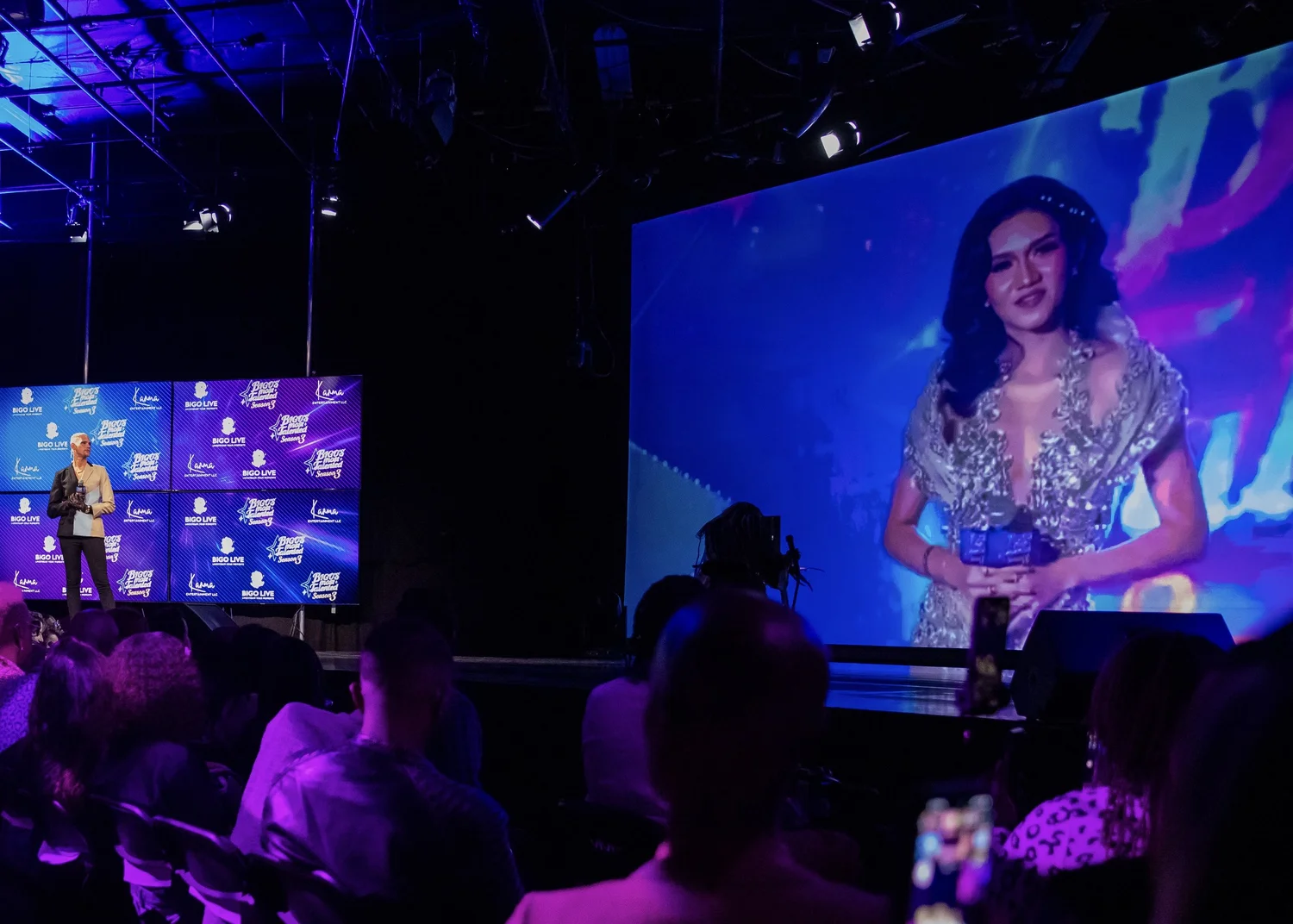
I spent years at Condé Nast Entertainment working out why people come back to a food channel next week, and then making sure there was a next week. Since then: Grey, where the clients were Coca-Cola and Applebee's, creator programming at BIGO Live, and two presidential campaigns that each needed a crowd.