








Somebody has to want to watch.
A good story makes good content. Great content starts earlier, with the person deciding whether to click. So that is where I start: who is watching, what they already choose, and what would make them choose you. Then we build the show they would come back for, and the team that can make it every week.
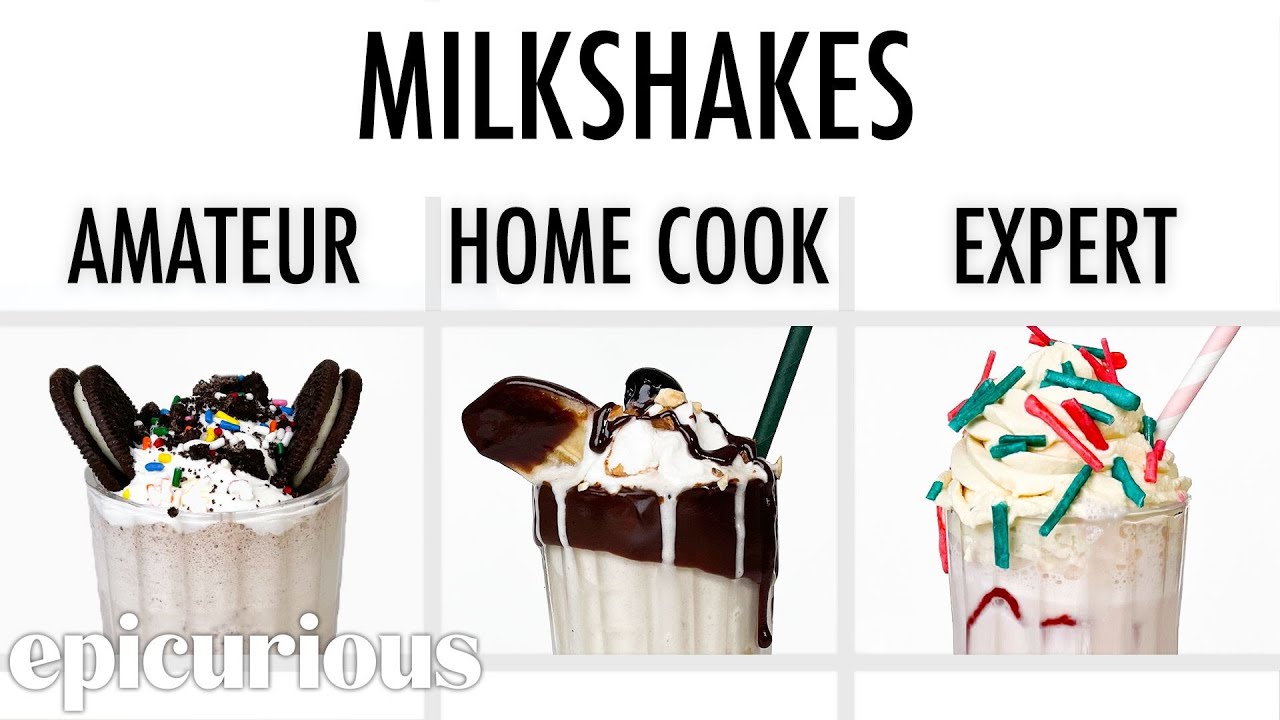
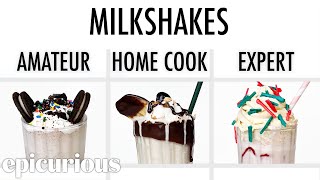 4 Levels of Milkshakes







The shows
All the work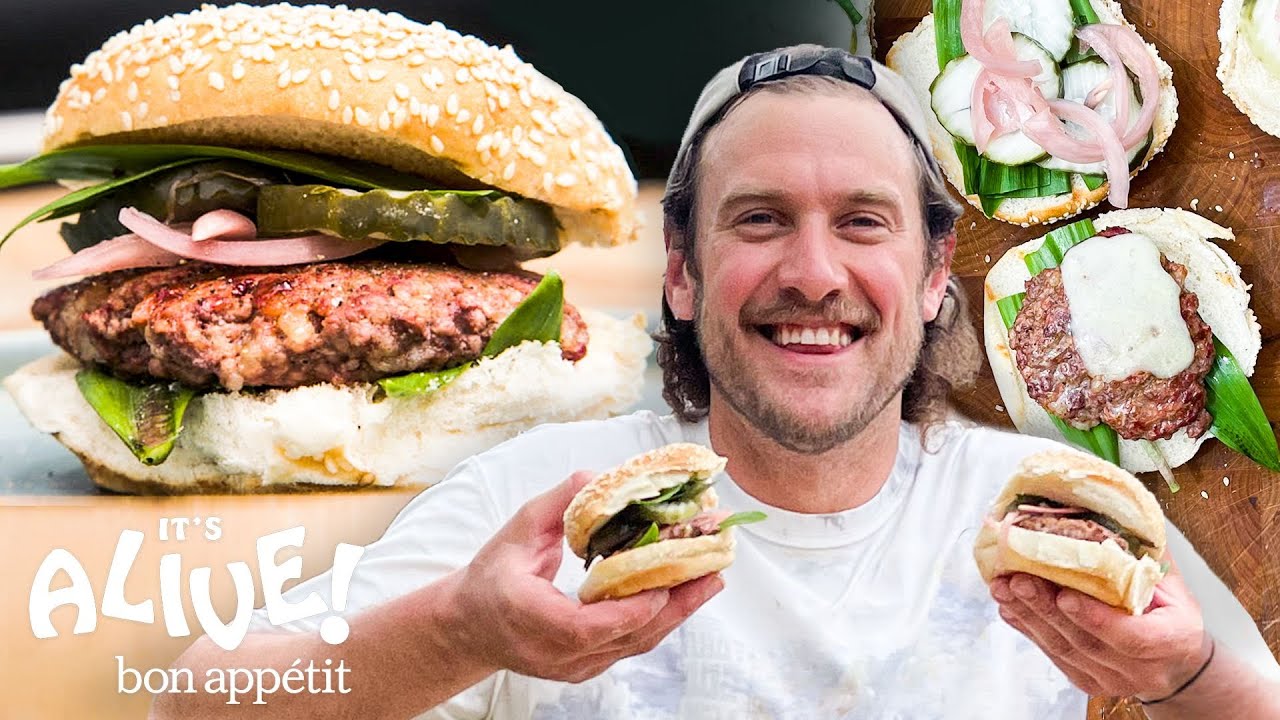 Case study
 Case study
 Case study
Most company channels look like this.
A launch video. A product demo. A webinar nobody trimmed. By month three, the upload schedule is a Slack thread with no replies.
I start somewhere else: who is actually watching, and what they would click on if your logo were not on it. Same company, same budget, different first question.
Who I work with

Brands
Your channel is mostly ads, and nobody subscribes to ads. We find what your audience already watches at 11 p.m. and figure out the show that belongs next to it.

Personalities
You are the brand, whether you are a chef, a host, or a founder. The camera is already on. I map the channel around your niche, and the team around you, so it stops running on your free time.

Nonprofits
You have the stories. Your viewers have a back button. We find the formats that earn the watch long before anyone asks for a dollar.
My process
The audience
YouTube says its recommendations exist to help people find the videos they want to watch, and it judges that by whether they were glad they watched, not just whether they clicked. So we start with the people: who watches you now, who you want watching, and what they already choose. For an existing channel, this is the audit: what is working, the KPIs worth tracking, and a roadmap for the next six months.
The shows
YouTube’s own playbook for brands calls it hero, hub, and help: a big swing a few times a year, a weekly series people come back for, and answers to what they are already searching. I recommend the formats that fit your audience, pressure-test the ideas with your team, and plan a pilot run, so the audience votes before the budget does. That includes Shorts, podcasts on YouTube, and longform made for the TV in the living room.
The team
The right people in the right seats, whether that is staff, contractors, or day players. I advise on how to structure the team, what to hire for, and the weekly rhythm that keeps the channel going, until it ships on an ordinary Tuesday without me in the room. The build ends with a handover: a written playbook your team keeps.
Ongoing advisory
After the build, or instead of it, I stay on to read the numbers with your team. YouTube Studio for retention, returning viewers, and where the views come from. Tubular for what the rest of your category is doing. vidIQ for search and titles. We read it every week, and it decides the next move at every step: who to make for, what to make, and who you need to make it.
Hire me for the audit, the whole build, or ongoing advisory. Most clients mix them. The audit also works on its own, at a fixed fee, for a smaller team or a single launch. Starting from zero? We begin at Step 1 with the audience you want, since there isn't one yet. Pricing depends on scope, and after a first conversation I send a written proposal.
Why me
More than a decade of creating and evaluating video taught me what an audience will actually sit through. I have done it for Bon Appétit, Epicurious, Architectural Digest, and them. at Condé Nast, for BIGO Live across four regions, for two presidential campaigns, and for brands like Applebee’s, Coca-Cola, and Grey Goose. Now I bring it to brands, personalities, and nonprofits, working with your team from the first conversation.
Tell me who you want watching.
Send your channel link or launch date, who you want watching and your timing. I reply within two business days.